 DAILY TAI CHI
Tai Chi for Fall Prevention: A Gentle Guide
This article explains how tai chi for fall prevention works and offers simple, low-impact moves and a safe way to begin practicing at home.
Tai chi for fall prevention works by slowly training your body to shift weight, balance on one leg, and recover from small wobbles — all through gentle, controlled movement rather than sudden exercise. It's one of the calmest, most approachable ways to build steadiness at any age.
If you've ever felt a little unsure on stairs, on uneven ground, or getting up from a low chair, you're not alone. The good news is that steadiness is a skill your body can relearn, and tai chi offers a particularly gentle path toward it.
Why does tai chi help with balance and falls?
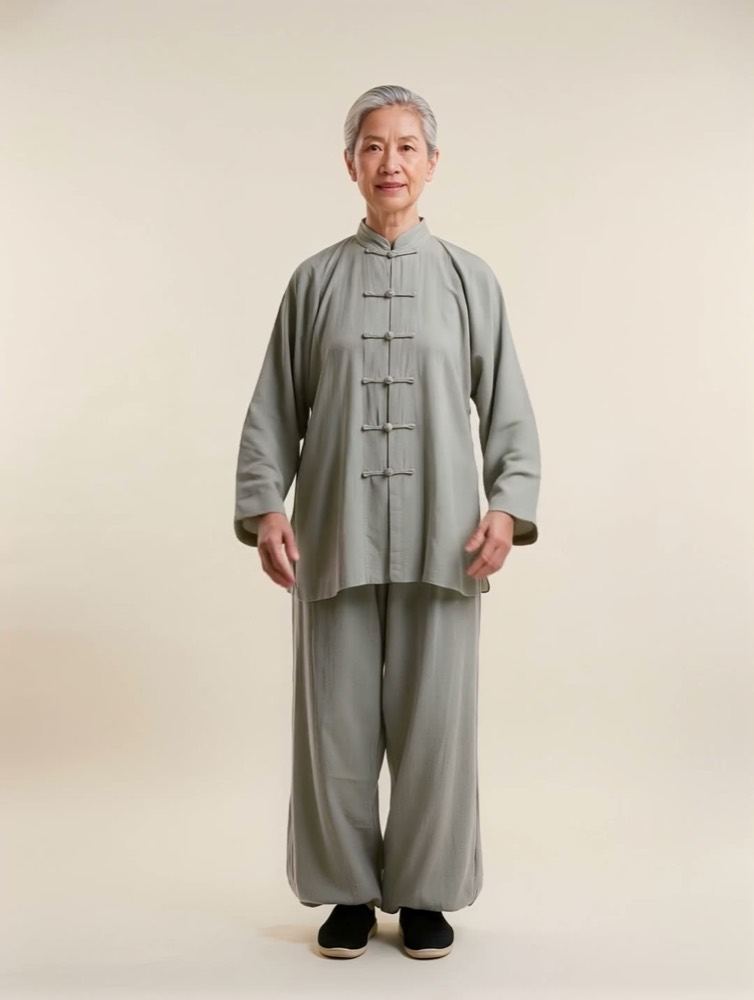
Tai chi is often called meditation in motion — slow, flowing movement paired with steady breathing. Instead of jumping or pushing hard, you practice shifting your weight smoothly from one foot to the other, turning gently, and holding calm, controlled postures.
This slow repetition matters. Every time you practice a weight shift or a single-leg stand, you're quietly training the small stabilizing muscles in your ankles, hips, and core — the same muscles that catch you when you stumble. Over time, many people find this kind of practice helps them feel more grounded and confident on their feet. For a deeper look at the mechanics behind this, see our guide on how tai chi improves balance.
Which tai chi movements are best for fall prevention?
Start Tai Chi the gentle way
Daily Tai Chi guides you through a 28-day path — slow, follow-along sessions made for beginners and ages 55+.
Start free on Google Play Start free on the App StoreYou don't need an elaborate routine. A handful of simple, repeatable movements do most of the work:
- Gentle weight shifts. Stand tall, feet hip-width apart, and slowly rock your weight from one foot to the other. This is the foundation of almost every tai chi movement.
- Heel-to-toe stand. Place one foot directly in front of the other, heel touching toe, and hold for a few slow breaths. This narrows your base and challenges your balance safely.
- Single-leg stand. Holding a stable chair, wall, or counter, lift one foot slightly off the floor and hold. This is one of the most direct ways to build one-legged stability, which matters when you're stepping over something or climbing a curb.
- Ankle circles. Gentle rotations that loosen the joints your balance depends on most.
- Slow sit-to-stand. Rising from a chair slowly and with control builds the leg strength that supports steady movement.
- Wave hands. A classic flowing motion that combines soft arm movement with subtle side-to-side weight shifting.
If standing for a full session feels tiring, you can practice many of these seated. Our chair tai chi guide shows how to adapt the same gentle ideas from a seated position.
How much practice does it take to feel steadier?
You don't need long sessions. Just 5 to 10 minutes on most days is a meaningful amount of practice — far more useful than an occasional hour once a week. Balance is built through repetition, not intensity.
A short daily habit is easier to keep than a big one, which is part of why the app's guided path is built around 28 days of brief, follow-along sessions. The first 4 days are free, with no card and no account needed, so you can try a few sessions and see how your body responds before committing to anything. It works on iPhone and Android, so you can practice wherever feels comfortable — living room, bedroom, or even a quiet spot outdoors.
If mornings suit you better, our 5-minute morning routine is a gentle way to start the day steadier. If you'd rather ease in slowly with a slightly longer session, the 10-minute routine for seniors covers similar ground at an unhurried pace.
What should a beginner expect in the first few sessions?
Expect to feel a little wobbly at first — that's completely normal and not a sign you're doing anything wrong. The early sessions are about learning to stand tall, breathe slowly, and shift weight with control, not about achieving perfect form.
Keep a stable chair, wall, or counter nearby during every practice, especially when trying the single-leg stand or heel-to-toe stand. Move gently, never push into discomfort, and stop if you feel dizzy or unsteady. If you're new to exercise, managing a health condition, or recovering from any injury, check with a doctor first before beginning a new practice.
Warming up gently before you begin can also make the movements feel easier on your joints. Our tai chi warm-up guide offers a few minutes of loosening movements to do beforehand.
How does tai chi compare with other balance exercises?
Tai chi isn't the only gentle way to build steadiness — dedicated balance drills can help too. If you're curious about a broader set of options, our guide to gentle balance exercises after 60 pairs well with a tai chi practice, offering variations like heel-to-toe walking and supported single-leg holds.
What sets tai chi apart is the way it links balance work with slow breathing and calm attention. Rather than treating steadiness as a separate exercise, it becomes part of a relaxed, whole-body flow — one that many people find as calming for the mind as it is for the legs. If you're deciding where to begin, our full beginner's guide to tai chi for seniors is a good starting point before moving into balance-focused practice.
How do you turn this into a lasting habit?
The real secret to feeling steadier over time isn't intensity — it's consistency. A few gentle minutes, most days, quietly adds up. Pick a time that already fits your day: right after waking, during a mid-afternoon pause, or as a calm transition before dinner.
Start small, be patient with wobbly moments, and let your practice grow slowly, the same unhurried way tai chi itself moves.
Start Tai Chi the gentle way
Daily Tai Chi guides you through a 28-day path — slow, follow-along sessions made for beginners and ages 55+.
Start free on Google Play Start free on the App StoreHow does tai chi help prevent falls?
Tai chi trains your body to shift weight smoothly, react calmly to small wobbles, and stay grounded through slow, controlled movement. Practicing gentle weight shifts and single-leg stands regularly can help you feel steadier on your feet in everyday situations, like stepping off a curb or turning around in the kitchen.
What tai chi moves are best for fall prevention?
Simple moves like gentle weight shifts, the heel-to-toe stand, ankle circles, and the single-leg stand are especially useful because they focus on steadiness rather than complex choreography. Wave hands is another gentle favorite that combines soft arm movement with subtle balance work.
Is tai chi safe for someone who already feels unsteady?
Yes, when practiced gently. Stand tall with feet hip-width apart near a stable chair, wall, or counter, move slowly, and stop if you feel dizzy or unsteady. If you have a health condition or recent injury, check with a doctor first before starting any new practice.
How often should I practice tai chi for balance?
Short, regular sessions work better than occasional long ones. Even 5 to 10 minutes most days can help you build steadiness over time. The app's 28-day path is built around this kind of gentle, consistent daily rhythm.
Can I do fall-prevention tai chi sitting down?
Many balance-focused movements adapt well to a seated version, including gentle weight shifts and arm movements like wave hands. A seated practice is a good starting point if standing for long periods feels tiring or unsteady.