 DAILY TAI CHI
Tai Chi for Stress Relief: A Gentle Daily Practice
This article explains how slow, breath-linked Tai Chi movements can help ease everyday stress and offers a simple way to begin a calming daily practice.
Tai chi for stress relief works through slow, flowing movement paired with steady, easy breathing.
This gives your mind something calm to follow instead of racing thoughts. It's often called meditation in motion — you stay gently active while your nervous system gets a chance to settle.
You don't need any experience, special clothing, or a quiet retreat to feel the benefit. A few unhurried minutes, done regularly, is the heart of this practice.
Why does slow movement calm the mind?
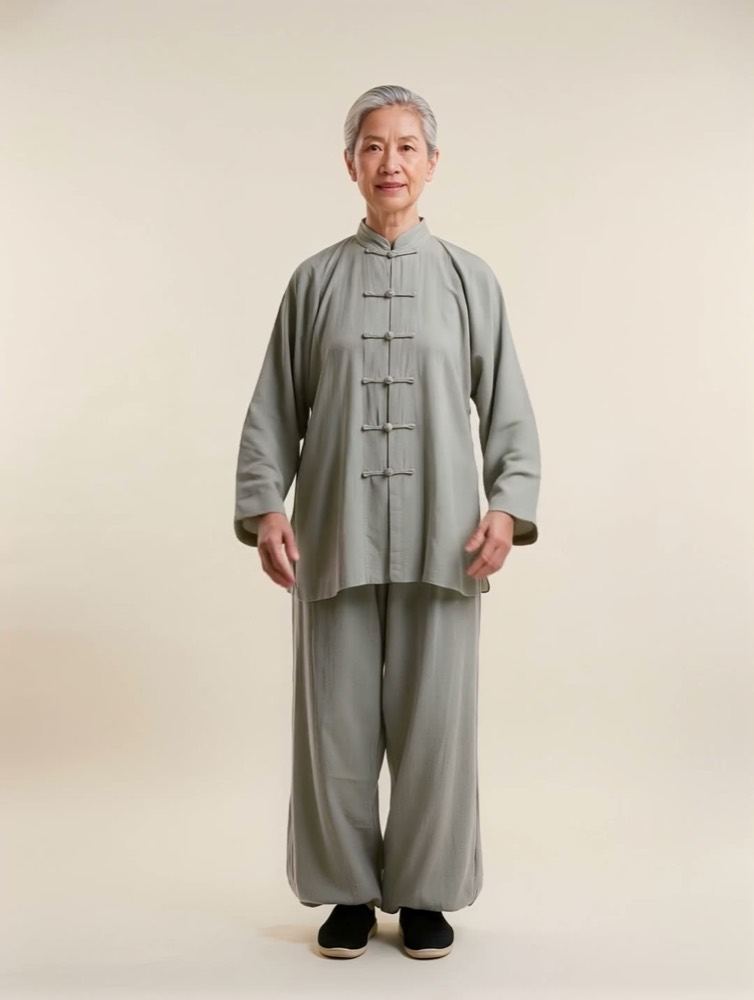
When you're stressed, your body often carries tension without you noticing — tight shoulders, shallow breathing, a mind that jumps from one worry to the next. Tai Chi interrupts that pattern by asking you to slow down on purpose.
Each movement is simple: a gentle weight shift, a soft turn, hands floating like they're moving through water. Because the motion is slow, your breath naturally slows too. This pairing of slow breath and slow movement is what gives Tai Chi its calming quality. It's less about exercise and more about giving your attention somewhere quiet to rest.
If you'd like to explore the breathing side of this more directly, our guide to Tai Chi breathing exercises walks through it step by step.
What does a calming Tai Chi practice actually look like?
Start Tai Chi the gentle way
Daily Tai Chi guides you through a 28-day path — slow, follow-along sessions made for beginners and ages 55+.
Start free on Google Play Start free on the App StoreYou don't need a long routine. Here are a few gentle movements that work well for easing stress, all of which can be done standing or seated:
- Gentle weight shifts. Stand tall, feet hip-width apart, and slowly rock your weight from one foot to the other. Let your arms hang loose and just notice the movement.
- Wave hands. Let your hands float and turn softly in front of you as you shift side to side, like smoothing calm water. This is one of the most soothing movements in Tai Chi.
- Ankle circles. Slow, small circles at the ankle while seated or holding a chair. A quiet way to release tension in the lower body.
- Slow sit-to-stand. Rising from a chair slowly and sitting back down with control. It grounds your attention in the body and away from racing thoughts.
None of these require strength or flexibility. The goal isn't to get them "right" — it's to move slowly enough that your breathing settles along with you. Over time, this slow rhythm becomes familiar, and your body may start to recognize it as a cue to relax, almost like a small ritual you carry with you.
How much practice actually helps?
You don't need a long session to feel calmer. Five to ten minutes on most days is enough to build a habit that quietly supports your mood. Consistency matters far more than duration — a short daily practice tends to help more than an occasional long one.
If mornings tend to set the tone for your whole day, our 5-minute morning Tai Chi routine is a gentle way to start calm. If you find your mind is busiest in the evening, our Tai Chi before bed guide offers a wind-down sequence built for that quieter hour.
For anyone wanting a slightly longer session to settle into, the 10-minute Tai Chi routine pairs well with a calm afternoon or evening pause. And if you're brand new to the practice altogether, our Tai Chi for seniors beginner's guide is a gentle place to start from the very beginning.
Can seated practice offer the same calm?
Yes. If standing for long periods feels tiring, or you're managing stiffness, a chair works just as well for stress relief. Slow weight shifts, gentle arm movements, and steady breathing all translate easily to a seated version. Our chair Tai Chi guide covers a full seated routine you can follow along with at your own pace.
Some people also enjoy pairing Tai Chi with qigong, a related practice of slow breath and gentle movement often used simply for calm. Our qigong for beginners guide is a good place to start if you'd like to explore that alongside your Tai Chi practice. Both practices share the same unhurried spirit, so moving between them tends to feel natural rather than like learning something new.
Is Tai Chi safe if you're new to this kind of practice?
Tai Chi is gentle by design, but it's still worth a few sensible precautions, especially if balance or stiffness is a concern for you. Move gently and never push into discomfort. Keep a stable chair, wall, or counter nearby, and stop if you feel dizzy or unsteady. If you're new to exercise, recovering from an injury, or have any health concerns, check with a doctor first.
Beyond that, there's no pressure to perform the movements perfectly. Stress relief comes from the slow rhythm and steady breath, not from precision. If a particular movement feels uncomfortable one day, simply skip it or do a smaller version — nothing here needs to be forced.
How do you build this into a daily habit?
The simplest way to start is with a short, guided path rather than trying to design your own routine from scratch. The app offers a 28-day path of short, slow, follow-along sessions built for complete beginners and adults 55+, with the first 4 days free — no card, no account needed. It works on iPhone and Android, so you can practice wherever you feel most comfortable.
Because each session is only 5 to 10 minutes, it fits easily into a quiet corner of your day, whether that's right after waking or as a way to unwind before bed. For a broader look at building this kind of habit, our guide on Tai Chi daily practice offers a gentle starting structure, and our best Tai Chi for beginners at home guide covers setting up a comfortable space to practice in.
Stress doesn't need a dramatic solution. A few slow, breath-linked minutes, practiced regularly, can quietly change how your day feels — one gentle movement at a time.
Start Tai Chi the gentle way
Daily Tai Chi guides you through a 28-day path — slow, follow-along sessions made for beginners and ages 55+.
Start free on Google Play Start free on the App StoreHow quickly can Tai Chi help with stress?
Many people notice they feel calmer during or right after a slow session, simply from the unhurried movement and steady breathing. Lasting ease tends to build with regular practice, even just 5 to 10 minutes a day, rather than from a single session.
Do I need experience to use Tai Chi for stress relief?
No. Tai Chi is built for complete beginners. The movements are slow, low-impact, and easy to follow, and every one of them can be adapted to standing or seated depending on what feels comfortable for you.
Can I practice Tai Chi for stress relief sitting down?
Yes. Many calming movements, like gentle weight shifts and wave hands, adapt easily to a chair. This makes the practice accessible even on days when standing feels tiring or unsteady.
What time of day is best for stress relief practice?
Whenever it fits your life. Some people prefer a slow morning session to start the day calm, while others wind down in the evening. Either way, a few consistent minutes matter more than the time you choose.