 DAILY TAI CHI
Tai Chi Daily Practice: A Gentle Guide to Starting
A gentle guide to building a sustainable tai chi daily practice with short sessions, simple routines, and realistic consistency tips for beginners.
A tai chi daily practice works best when it's short, gentle, and consistent — five to ten minutes a day is enough to build the habit and feel its calming effects. You don't need special clothes, a big space, or an hour to spare.
This is the quiet secret of Tai Chi: it rewards steady return, not intensity. Let's look at how to actually build this into your everyday life, even if you've never done anything like it before.
Why does daily practice matter more than long sessions?
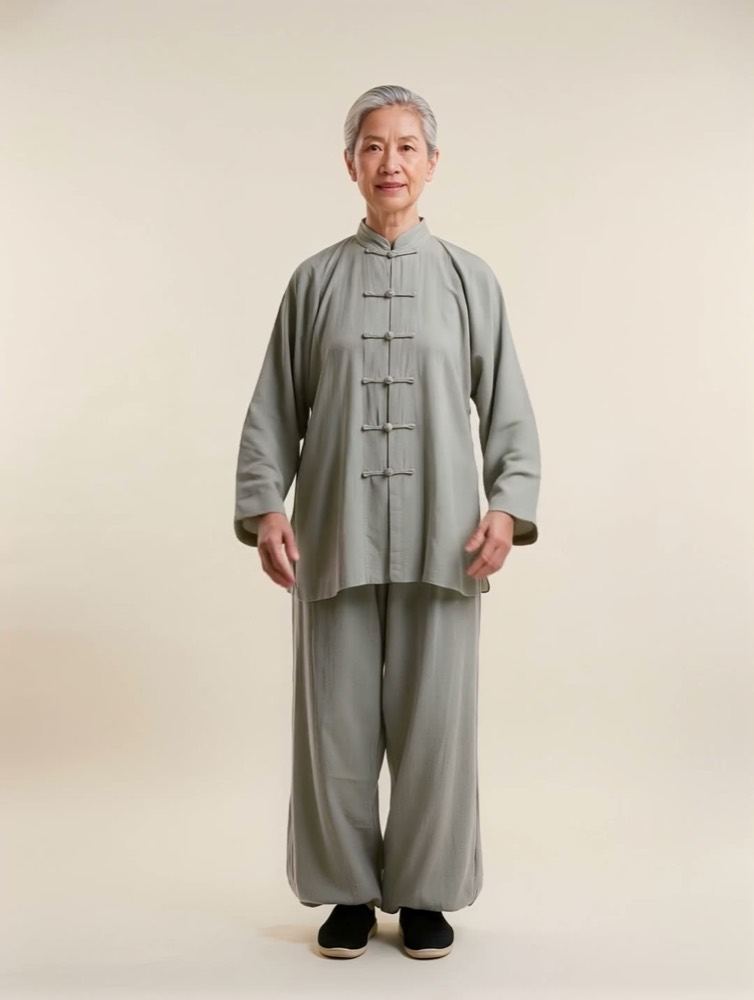
Tai Chi is often described as meditation in motion — slow, flowing movement paired with easy breathing. The benefits come from repetition, not exertion. A few gentle minutes today, followed by a few more tomorrow, teaches your body and mind a new, slower rhythm over time.
Compare this to an occasional hour-long session once a week. It might feel productive, but your body doesn't get the chance to build familiarity with the movements. Short daily sessions, on the other hand, let your balance, breathing, and posture improve gradually, almost without you noticing.
This is part of why the app is built around a 28-day path of short, guided sessions rather than long workouts. Each day builds gently on the last, so you're never starting from scratch.
What does a simple daily routine actually look like?
Start Tai Chi the gentle way
Daily Tai Chi guides you through a 28-day path — slow, follow-along sessions made for beginners and ages 55+.
Start free on Google Play Start free on the App StoreYou don't need a long list of movements. A few reliable ones, practiced slowly, are enough to fill five or ten calm minutes:
- Gentle weight shifts. Stand tall, feet hip-width apart, and slowly rock your weight from one foot to the other.
- Wave hands. Let your arms float and turn softly in front of you as you shift side to side.
- Ankle circles. Seated or standing, slowly circle each ankle to loosen the joint.
- Heel-to-toe stand. Place one foot in front of the other and hold, using a chair for support if needed.
- Slow sit-to-stand. Rise from a chair slowly and sit back down with control, building leg strength gently.
You don't have to do all of these every day. Pick two or three, move slowly, and let your breath set the pace. If you'd like a ready-made sequence, our 5-minute morning Tai Chi routine and 10-minute Tai Chi routine are both built around exactly this idea.
How do you fit practice into a real, busy life?
The best daily practice is the one that survives contact with a real schedule. Instead of aiming for a perfect, uninterrupted session, look for a small pocket of time that already exists in your day — right after you wake up, during a coffee break, or before bed.
Some people like pairing Tai Chi with an existing habit, such as practicing right after brushing their teeth or right before sitting down to watch the evening news. This kind of habit-stacking removes the need to "remember" to practice — it simply becomes part of a routine you already follow.
If evenings suit you better, a slower, quieter session can help you unwind before sleep. Our Tai Chi for sleep evening routine is designed exactly for that moment in the day.
What if you miss a day — or several?
Missing a day is not a setback, it's just a pause. Tai Chi practice isn't a streak to protect anxiously; it's a habit to return to gently. If a few days slip by, simply pick your routine back up without guilt. The movements will still be familiar, and your body will remember more than you expect.
This is one reason the app's 28-day path is structured the way it is — the first 4 days are free, with no card and no account needed, so you can try the rhythm of daily practice before committing to anything. It works on iPhone and Android, so your short daily session can travel with you.
How do you keep daily practice safe and comfortable?
Because Tai Chi is slow and low-impact, it adapts easily to different bodies and ability levels — including those managing stiffness or balance concerns. Still, a few sensible precautions make daily practice more comfortable:
- Move gently and never push into discomfort or pain.
- Keep a stable chair, wall, or counter nearby for support.
- Stop if you feel dizzy or unsteady.
- If you're new to exercise, managing a health condition, or recovering from anything, check with a doctor first.
If standing for a full session feels tiring some days, that's completely fine — seated practice offers the same calming benefits. Our chair Tai Chi for seniors guide walks through gentle seated versions of the same movements, so you never have to skip practice just because standing isn't comfortable that day.
Should you add anything else to your practice over time?
Once daily Tai Chi feels comfortable, some people enjoy layering in related practices. Slow breathing exercises can deepen the sense of calm — our guide to Tai Chi breathing exercises is a gentle place to start. Others enjoy exploring qigong, a related practice of slow movement and breath that pairs naturally with Tai Chi; see our qigong for seniors and beginners guide for an easy introduction.
You might also notice, after a few weeks of steady practice, that your balance feels more dependable — this is one of the quiet effects people often mention. If you're curious why, our article on how Tai Chi improves balance explains the connection in plain terms.
Whatever you add, the heart of the practice stays the same: a few slow, unhurried minutes, most days, done with patience rather than pressure. That's really all a daily Tai Chi practice needs to be.
Start Tai Chi the gentle way
Daily Tai Chi guides you through a 28-day path — slow, follow-along sessions made for beginners and ages 55+.
Start free on Google Play Start free on the App StoreHow long should a daily Tai Chi practice be?
Five to ten minutes is plenty, especially when you're starting out. Short, gentle sessions done regularly build steadiness and calm far more reliably than occasional long ones. You can always add a few more minutes later once the movements feel familiar.
What time of day is best for Tai Chi?
Whichever time you'll actually stick with. Some people enjoy a slow morning routine to wake the body gently, others prefer winding down in the evening. There's no wrong answer — pick a moment that already fits your daily rhythm.
Do I need to practice every single day?
No. Consistency matters more than perfection. Most days is a wonderful goal, but missing a day here and there won't undo your progress. Simply return to your practice gently, without guilt, the next day.
Can I practice Tai Chi daily if I have joint pain or balance concerns?
Many people with stiff joints or balance concerns find gentle daily movement helpful, but it's wise to move gently, keep a stable chair, wall, or counter nearby, stop if you feel dizzy or unsteady, and check with a doctor first.