 DAILY TAI CHI
Tai Chi for Elderly: A Gentle Way to Begin
This guide explains why tai chi for elderly adults is considered gentle and low-impact, and walks through how to begin safely, standing or seated.
Quick answer
Tai chi for elderly adults is a gentle, low-impact practice of slow weight shifts and soft breathing, done standing or seated. A few minutes a day is enough to start, and the app offers a slow 28-day path.
Key takeaways
- Tai chi for elderly adults is slow, low-impact, and adaptable to standing or seated practice.
- Gentle weight shifts and a heel-to-toe stand build steadiness without strain.
- Just 5 to 10 minutes a day is enough to start building a habit.
- The app's 28-day path is guided, with the first 4 days free, no card, no account.
- Keep a stable chair, wall, or counter nearby, and check with a doctor first.
Tai chi for elderly adults is widely recommended because every movement is slow, low-impact, and easy to adapt to standing or seated practice. There's no jumping, no fast pace, and nothing jarring on the joints.
If you've never done anything like this before, that's exactly who this gentle practice is built for. It asks nothing of you except a willingness to move a little more slowly than usual.
Is tai chi good for the elderly?
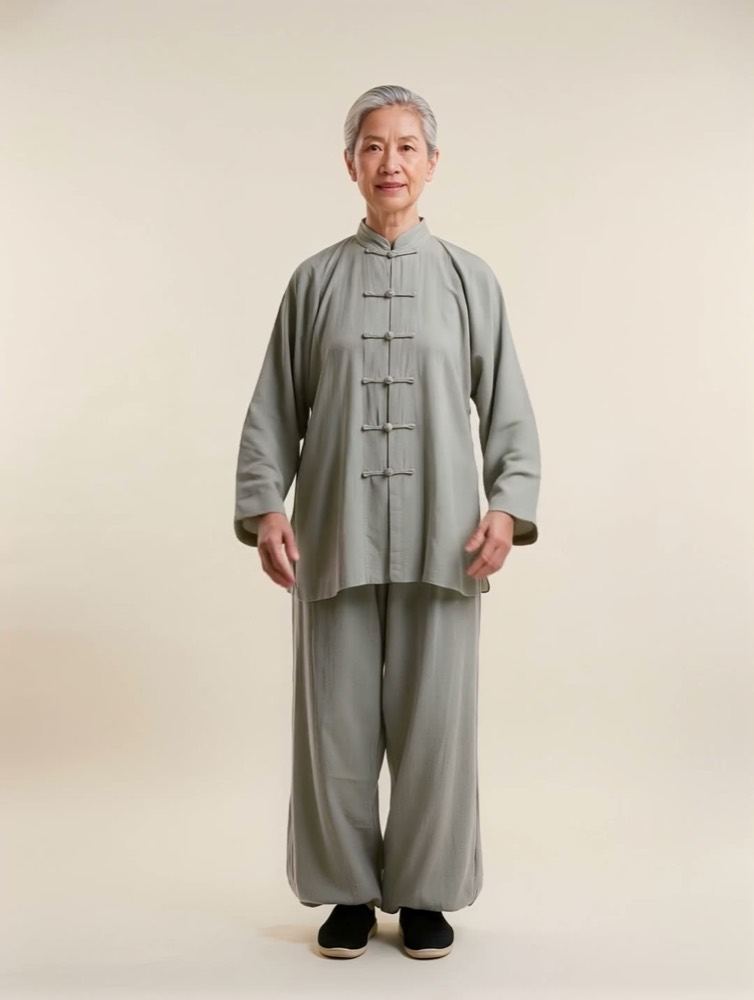
Yes — tai chi is often called meditation in motion because it pairs slow, flowing steps with easy, unhurried breathing. There's nothing to rush and nothing to get "wrong," which is part of why it feels so welcoming to people who have never exercised this way before.
That gentleness is exactly why it suits adults 55 and older so well, whether you're active and looking for something calmer or starting from a quieter place after years away from movement. For a closer look at whether it fits your situation, our guide on whether seniors can do tai chi walks through the basics in more detail. Many people come to tai chi after trying faster forms of exercise that felt uncomfortable, and find the slower pace is actually easier to stick with over time.
What makes tai chi gentle enough for elderly adults?
Every movement in tai chi can be slowed down further or adapted to a chair, which is part of why it's so forgiving on older bodies and tends to feel kind even on stiff days.
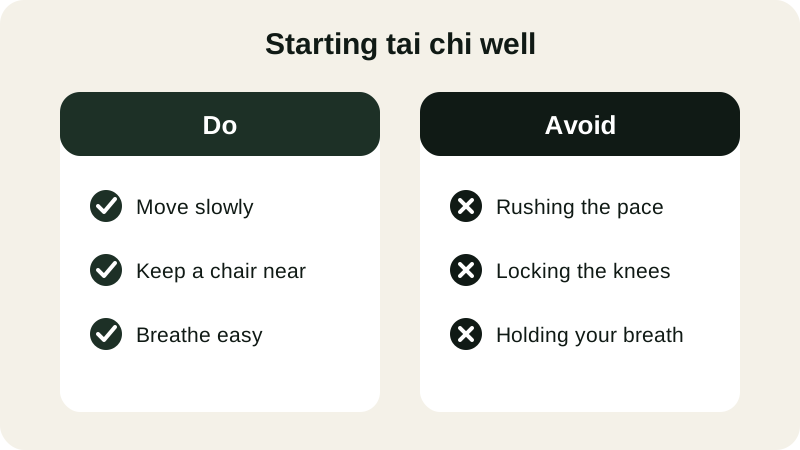
A handful of simple tai chi exercises for elderly beginners can go a long way:
- Gentle weight shifts wake up the small muscles that help you feel steadier.
- Ankle circles loosen stiff joints before you even start moving your feet.
- Wave hands keeps shoulders and arms moving softly, without strain.
- Slow sit-to-stand builds leg strength using a chair for support.
None of these moves require flexibility or prior fitness. You simply move at whatever pace feels comfortable today, and that pace is allowed to change from one day to the next. If stiff knees or arthritis are part of your picture, our guide to tai chi for knee pain covers moves that feel especially kind, and tai chi for arthritis and stiff joints offers a slower variation of the same ideas.
How do you get started safely?
You don't need special clothes, a mat, or any equipment — just a little open space and, ideally, a sturdy chair nearby for balance and support.
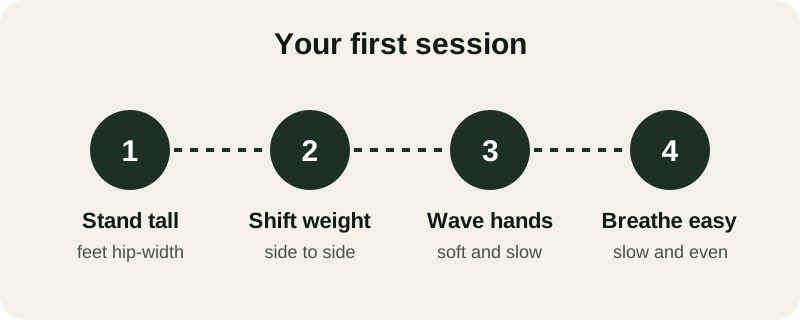
A guided session takes the guesswork out of the order and pace. The app walks you through a 28-day path of short, slow, follow-along sessions, with the first 4 days free — no card, no account needed — and it works on iPhone and Android, so you can practice wherever feels comfortable, at home or wherever you happen to be.
How often should elderly adults practice tai chi?
Consistency matters more than duration. Most people do well with 5 to 10 minutes most days, rather than saving it all up for one long session a week.
Short daily practice lets gentle movement for elderly adults become a routine rather than a chore — something you might do with your morning coffee or as a quiet wind-down before bed. Our guide on how often seniors should practice tai chi goes into more detail on finding a rhythm that fits your week, and the 10-minute routine for seniors is a gentle place to start once you're ready for a full session. If mornings suit you better, the 5-minute morning routine is an easy way to begin the day calmly, and if your body prefers slowing down in the evening, tai chi before bed offers a softer wind-down version of the same ideas.
What if you have limited mobility or balance concerns?
Tai chi doesn't require you to stand the whole time. Many of the same slow, flowing movements — gentle weight shifts, wave hands, soft breathing — translate easily into a seated version, so you can still get the calming, low-impact benefits of the practice from a chair.
If standing feels unsteady some days, our chair tai chi guide walks through the seated versions step by step, and seated tai chi for seniors offers a fuller chair-based practice for days when standing isn't the right choice. For balance work specifically, poses like the heel-to-toe stand and single-leg stand are introduced slowly and always near support, never as a test of how long you can hold them. And if you'd like something even gentler to start, qigong for seniors and beginners offers a softer entry point built around breathing and simple standing postures.
What benefits can elderly adults expect from tai chi?
People often describe feeling calmer and a little steadier on their feet after a few weeks of gentle, regular practice. The slow pace gives you time to notice how your body feels, rather than rushing past it, and the breathing that goes along with each movement tends to leave people feeling settled rather than tired.
Health resources such as Harvard Health Publishing and MedlinePlus describe tai chi as a gentle, low-impact option for older adults — which matches what makes it feel so approachable in practice: nothing fast, nothing forced, and always adaptable to where your body is today. Our article on how tai chi improves balance explains the idea behind the weight shifts in a bit more detail, if you'd like the fuller picture before you start.
Whether you're curious about tai chi for elderly balance and safety, looking for something to do seated, or simply wanting a calmer way to move each day, the idea is the same — start small, breathe easily, and let consistency do the rest. A few quiet minutes, repeated gently, is enough to build a habit that fits comfortably into your week.
Is tai chi good for the elderly?
Yes. Tai chi is slow, low-impact, and easy to adapt to standing or seated practice, which is why it's often described as one of the gentlest forms of movement available. It suits complete beginners and adults 55 and older, including those managing joint stiffness or balance concerns.
What tai chi exercises are best for elderly beginners?
Simple moves work best to start: gentle weight shifts, wave hands, ankle circles, and a slow sit-to-stand. Each one can be done standing with a chair nearby or fully seated, so there's no pressure to master anything complicated on day one.
How often should elderly adults practice tai chi?
Most people do well with 5 to 10 minutes most days rather than one long session a week. Short, regular practice builds the habit gently and gives your body time to adjust without feeling rushed or overworked.
Can tai chi help with balance in elderly adults?
Tai chi's slow weight shifts and poses like the heel-to-toe stand and single-leg stand are designed to help you feel steadier on your feet over time. Always practice near a stable chair, wall, or counter, and stop if you feel dizzy or unsteady.
Do you need any equipment to start tai chi?
No special equipment is needed — just a little open space, comfortable clothing, and ideally a sturdy chair nearby. The app works on iPhone and Android, guiding you through each gentle movement so you don't need prior experience.